





David Maisel is an artist whose work spans photography, painting, and video. He is the recipient of Fellowships from the Guggenheim Foundation, the Getty Research Institute, and the National Endowment for the Arts, and has been an Artist in Residence at the Headlands Center for the Arts, among other awards and honors. Maisel’s aerial photographs address the aesthetics and environmental impact of radically human-altered landscapes, while his abstract paintings respond to catastrophic climate change events such as wildfire and flood. His images are spatially ambiguous and destabilizing, and describe a world wholly remade by human activity.
RECENT NEWS / EVENTS
Paintings
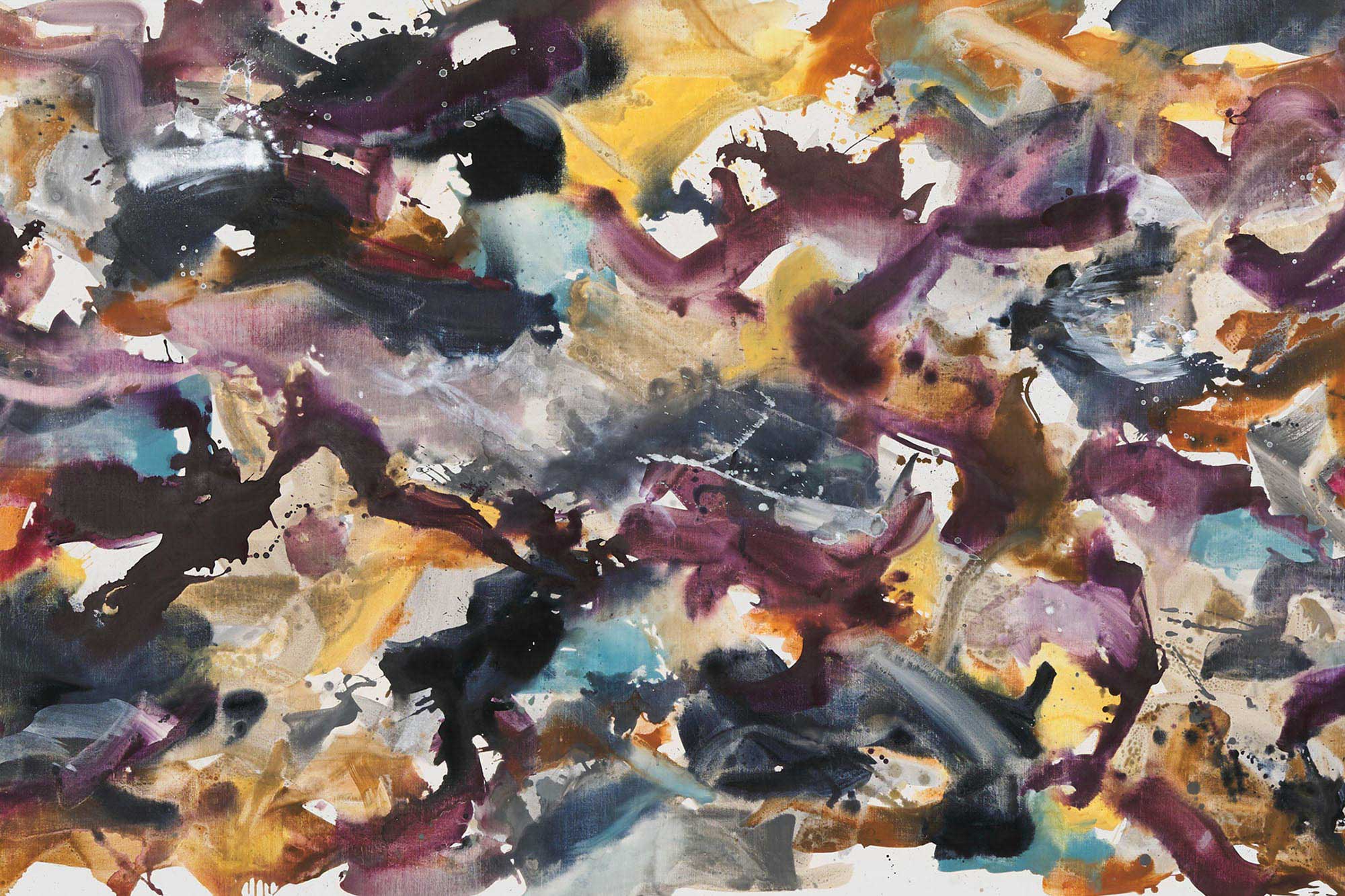
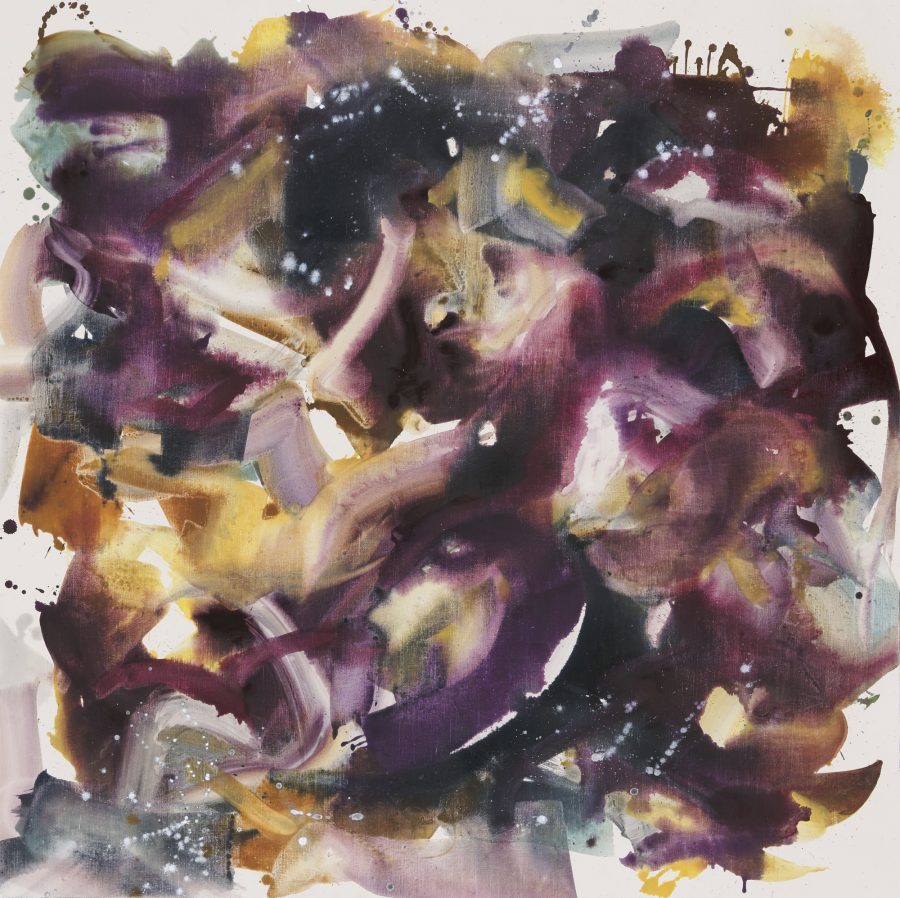
With their brushstrokes, pours, erasures, and stains, these abstract paintings still reference landscapes — sites of memory, zones of environmental disaster —but also the edge of the ocean, the sky at dusk, places of safe harbor and renewal.
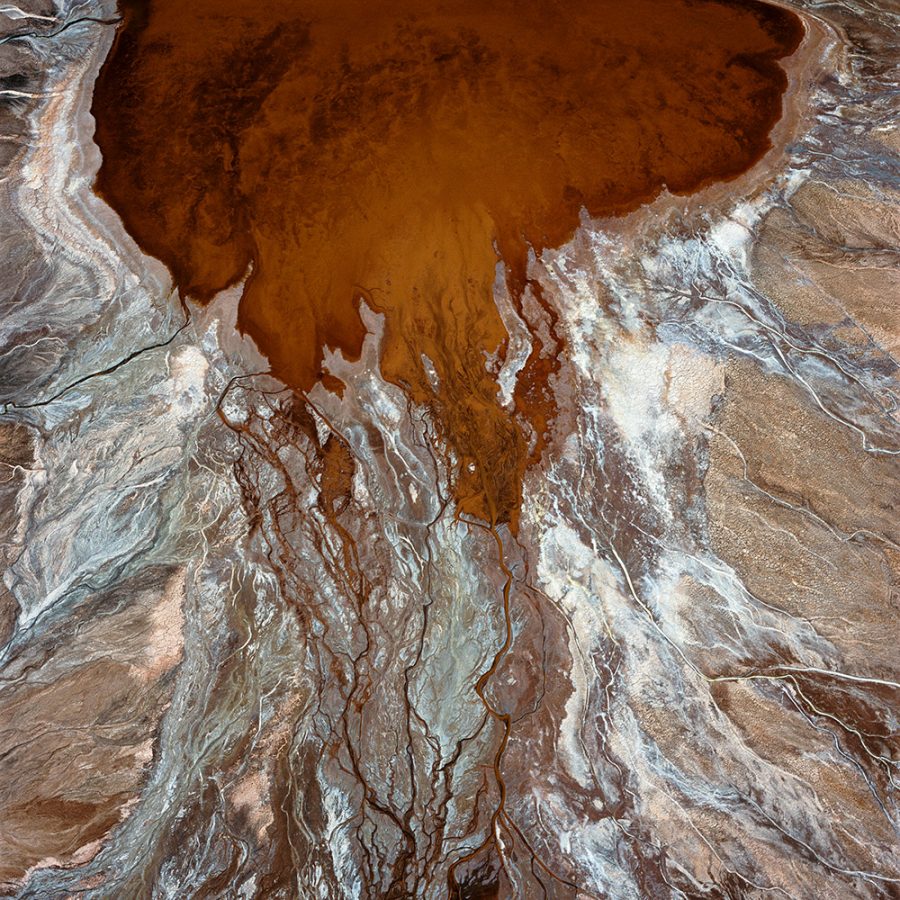
Desolation Desert
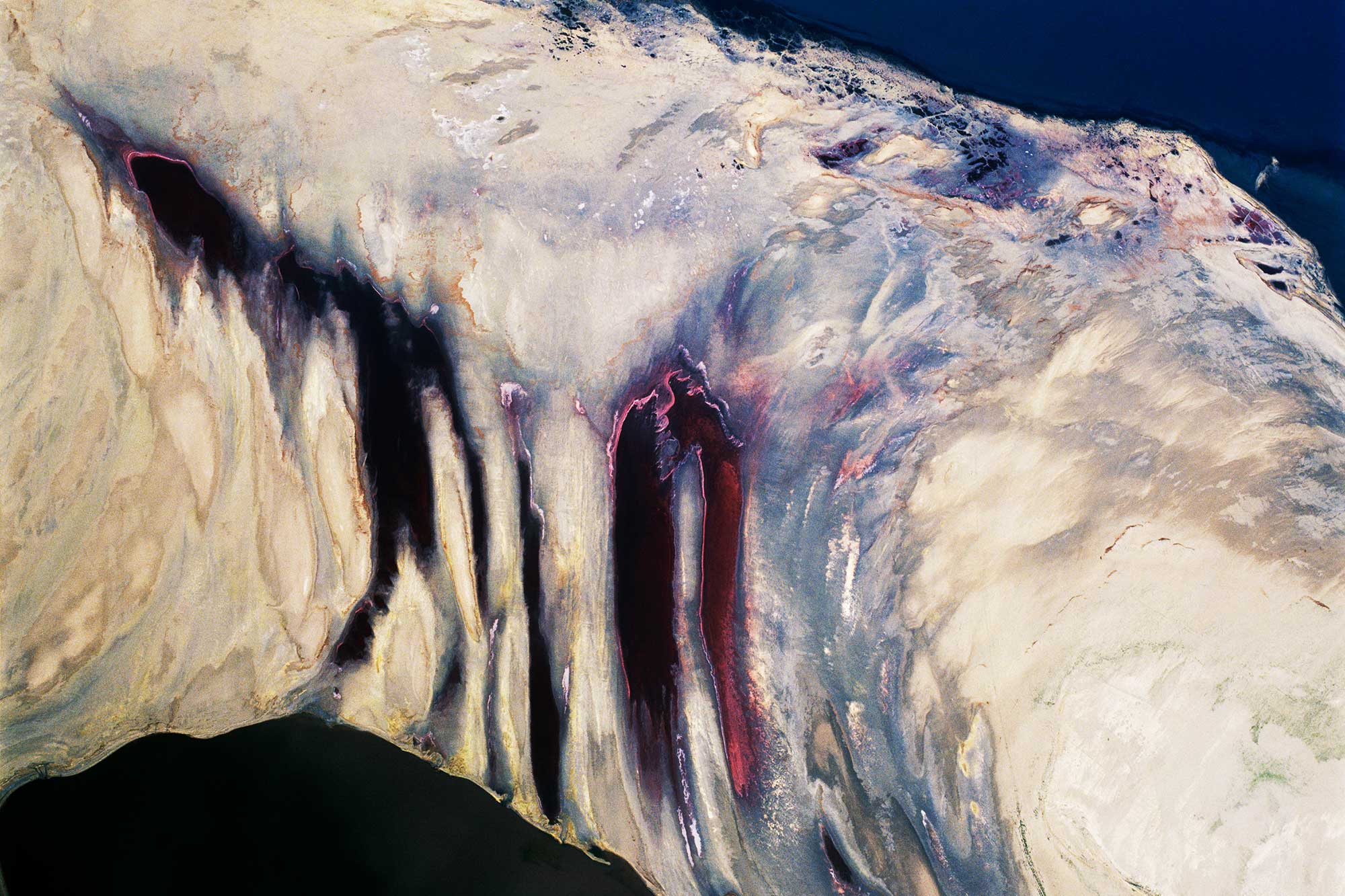
In Desolation Desert, Maisel brings his focus to the massive mining operations in the vast territory of Chile’s Atacama Desert. The highest and driest desert on the planet, this sensitive eco-region of the Atacama is being transformed at an unparalleled pace and scale by extractive industries.
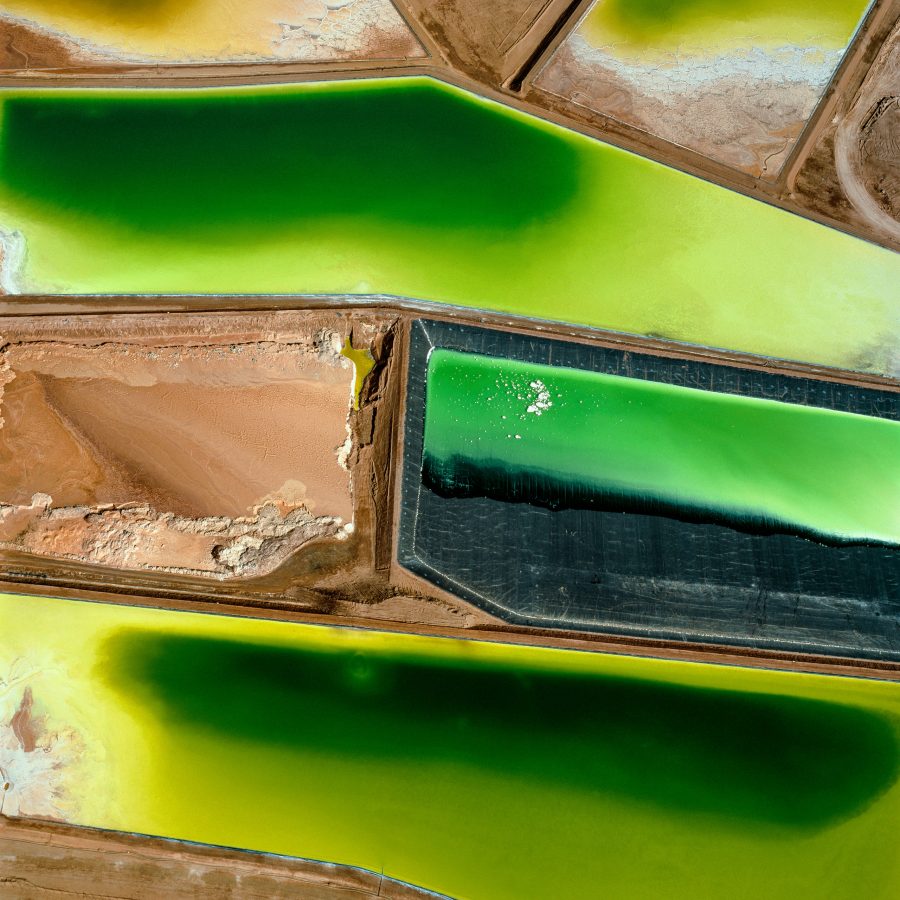
Desolation Desert
The Atacama Desert revealed in Desolation Desert contains a complex and contradictory series of developments. The energy supplied by lithium is promoted as an environmentally friendly alternative to fossil fuels and the industries that extract and refine them.
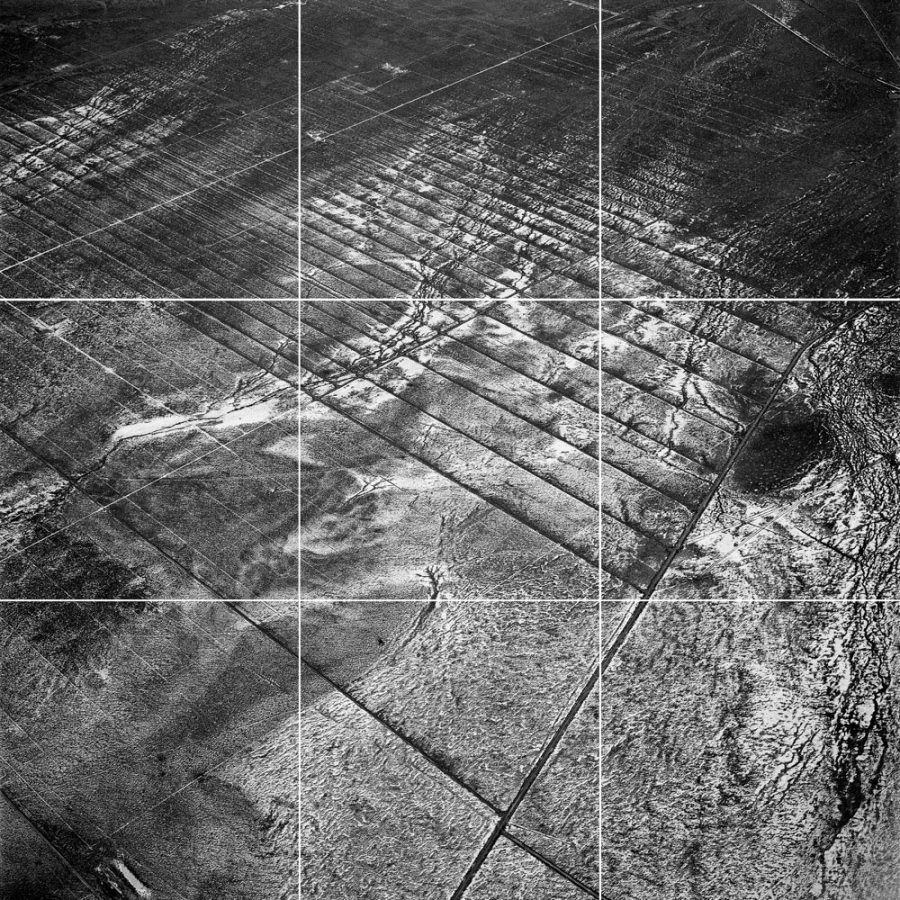
Proving Ground
“A complex examination from the artist about the choices we have made about how to use our Western lands and the implications of those decisions…. The experience is one of immersion and disorientation, a series of otherworldly landscapes.”
Rebecca Senf, Photo-Eye, August 1, 2020.
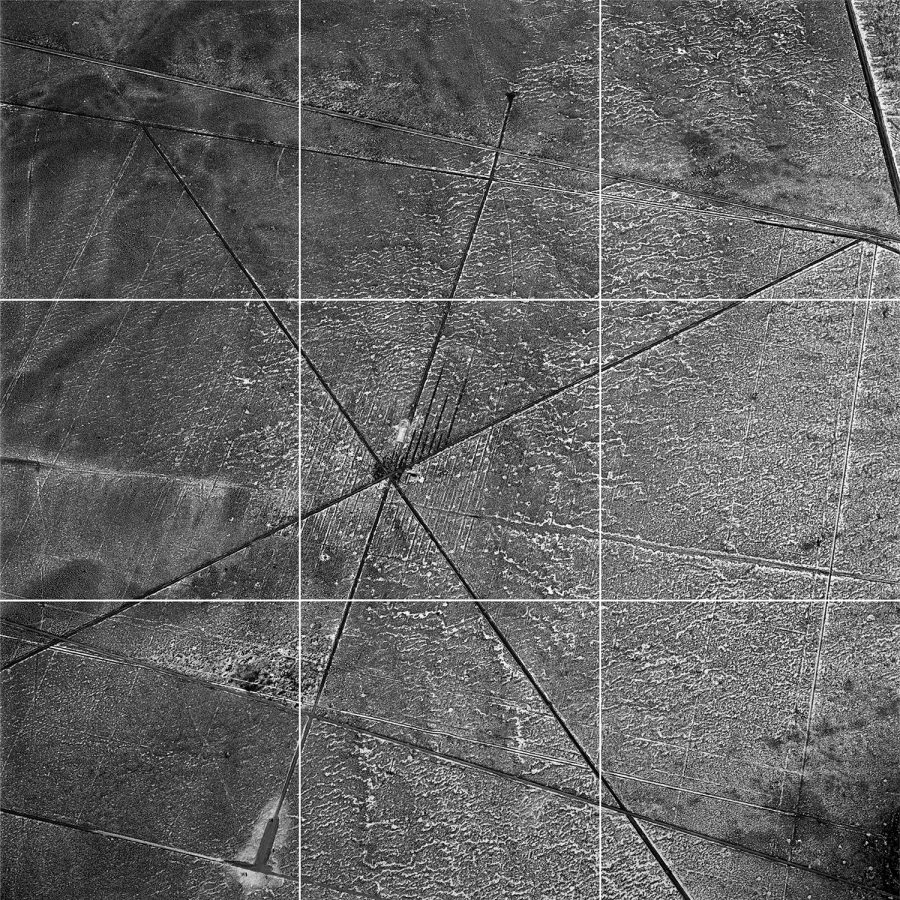
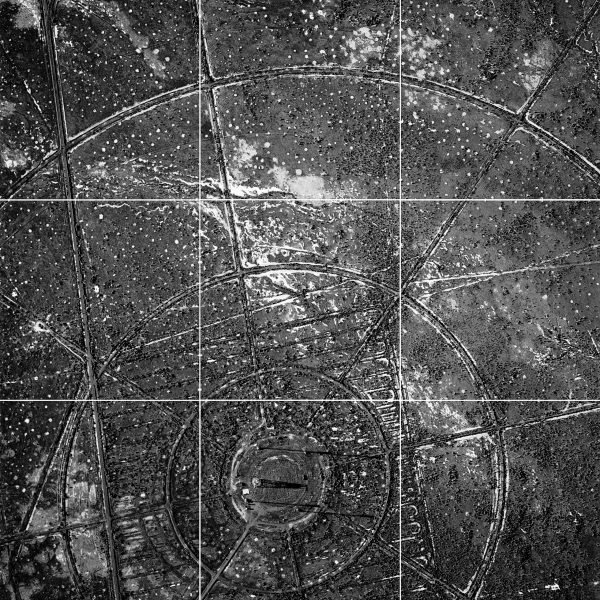
Proving Ground
“While all of the sites he has photographed rightly merit conversations about land use, resource conservation, and stewardship, Proving Ground activates something closer to fear.”
Roula Seikaly, “Photographing Utah’s Closely-Guarded Military Installation,” Humble Arts Foundation, January 18, 2018.
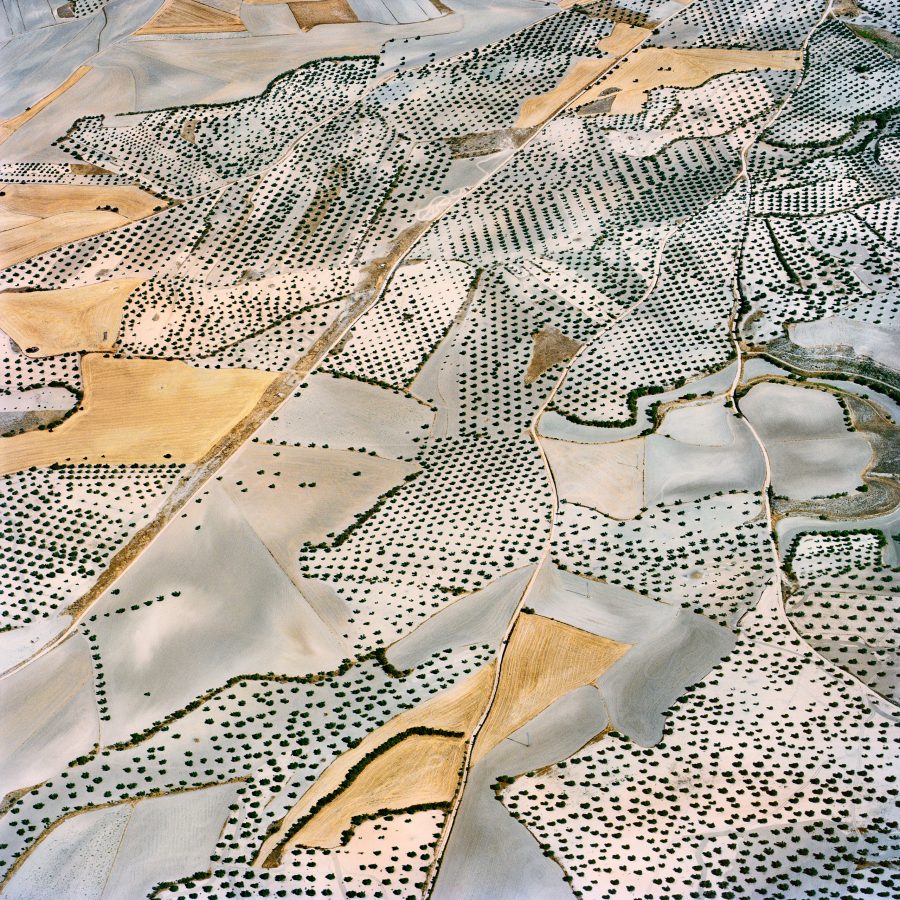
The Fall
“David Maisel’s aerial photographs of Toledo, Spain, and the surrounding La Mancha region…can make Earth’s surface look more alien than terrestrial…The silvery soil of plowed fields almost shimmers, like a ghostly memory of that long-vanished sea.”
Marcia Bjornerud, “David Maisel’s Geometric Geographies,” The New Yorker, January 13, 2016.
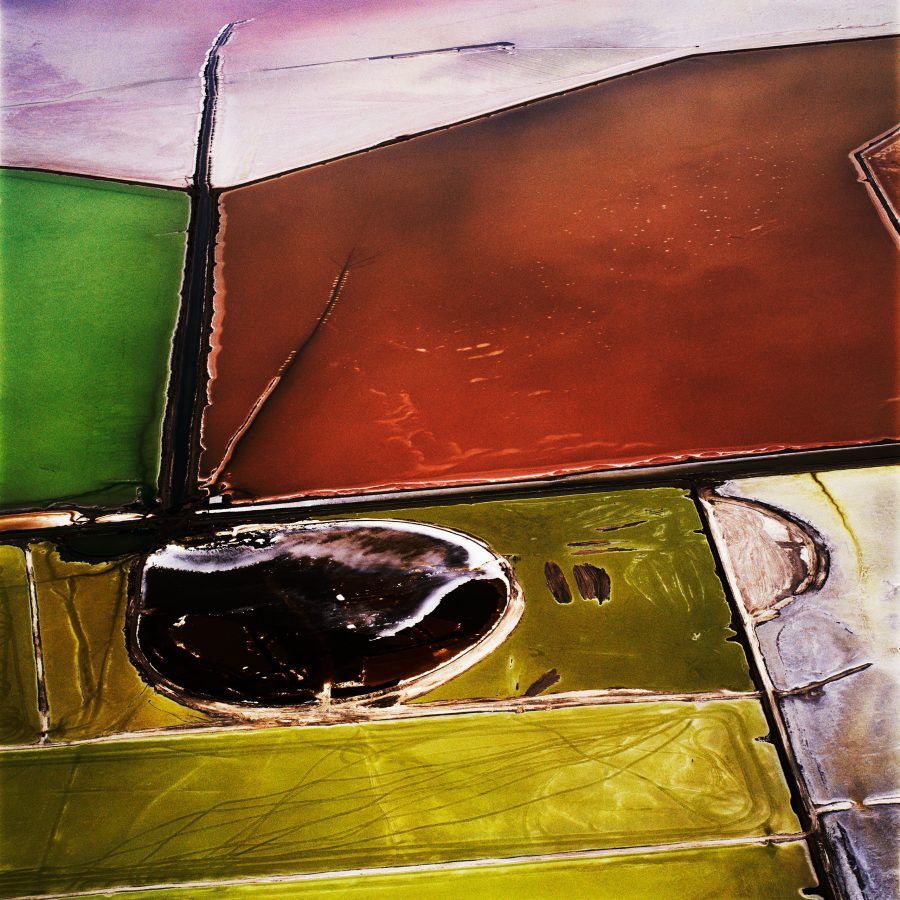
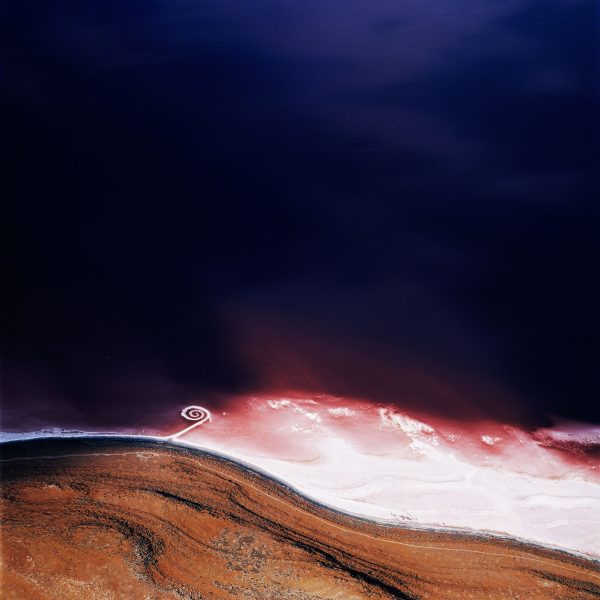
Terminal Mirage
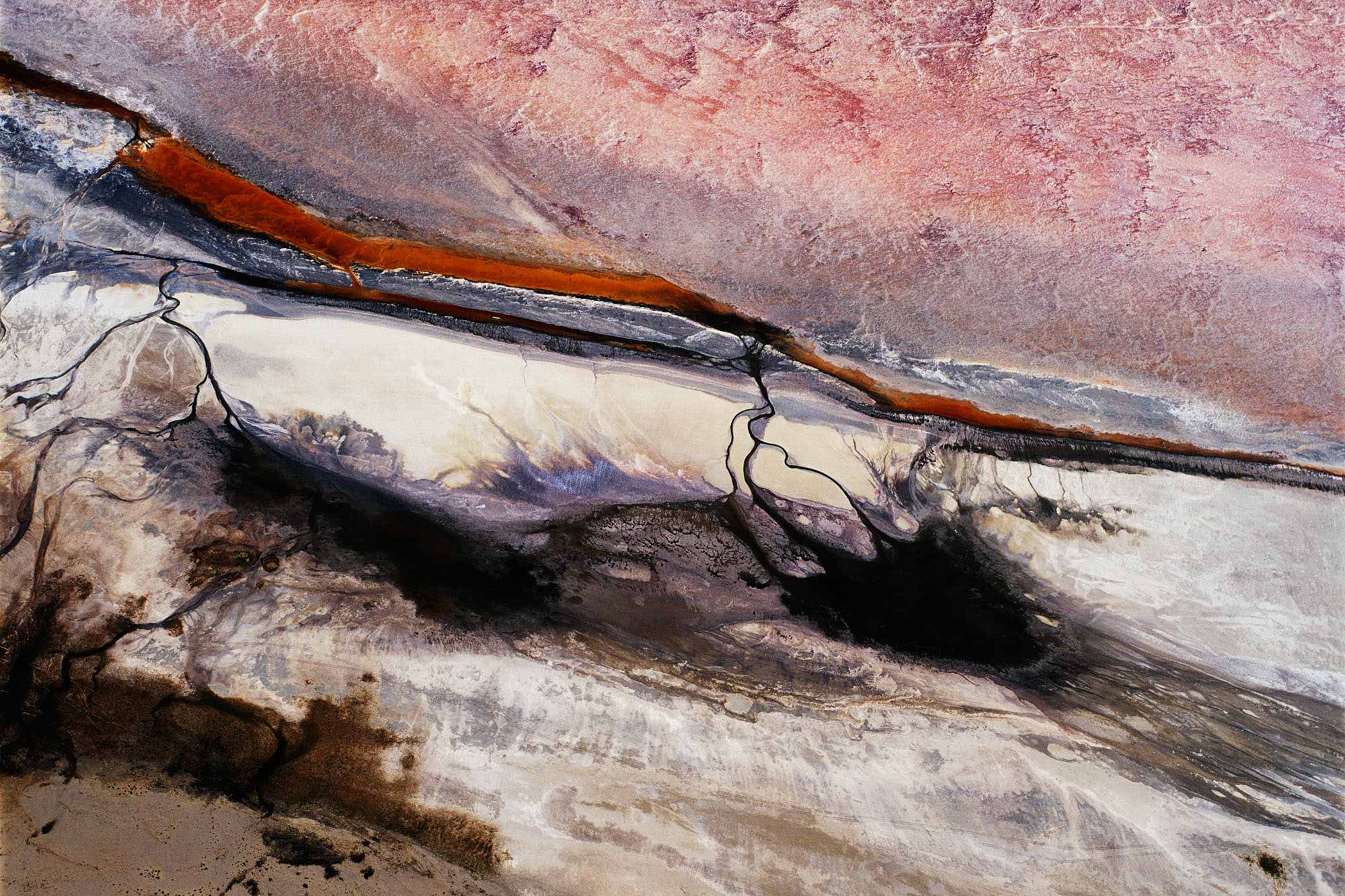
“…A marvelous thing transpires: the entire image-field tips up and forward, the great horizontal stretches of salt water and chemical flats vaulting to the vertical, suddenly inhabiting the space and conditions of a painted canvas, the world of Rothko, Diebenkorn, and Kiefer.”
Joseph Thompson (director, MASS MoCA), “Unrecoverable Spin,” Black Maps: American Landscape and the Apocalyptic Sublime, 2013.
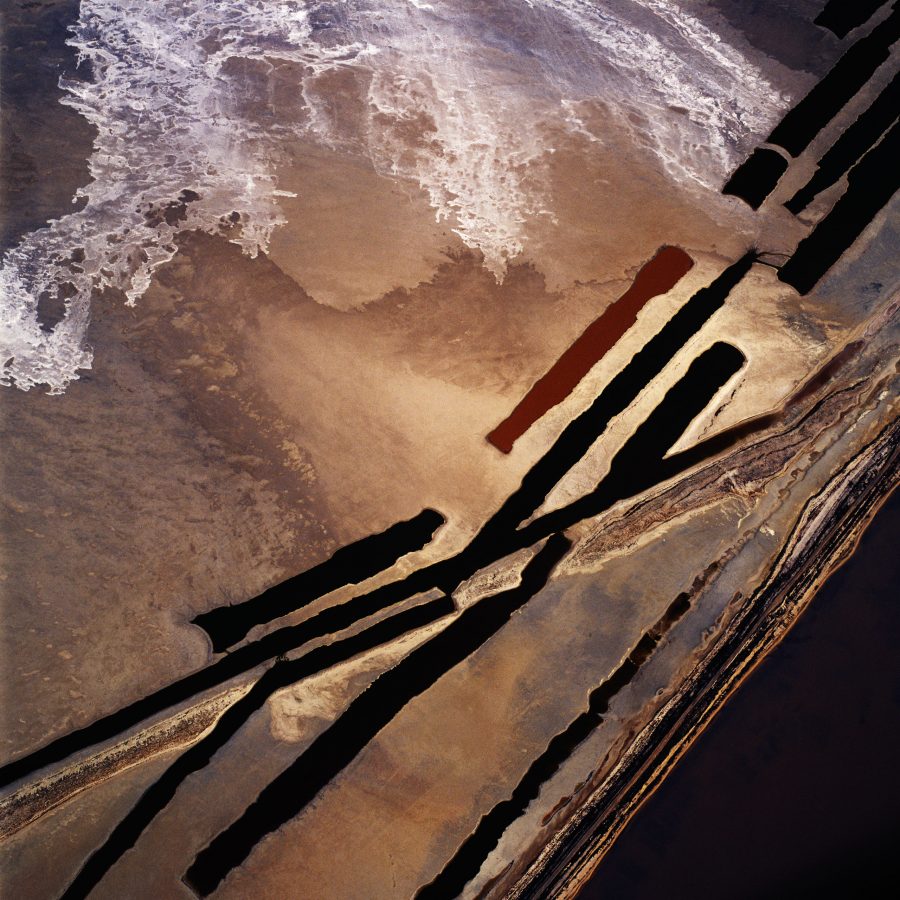
Terminal Mirage
“Perhaps when all the warnings have become laments, the last photographer will record the singularly beautiful image of a worn-out world, terminal but no longer just a mirage.”
Lyle Rexer, Photograph, May/June 2005.
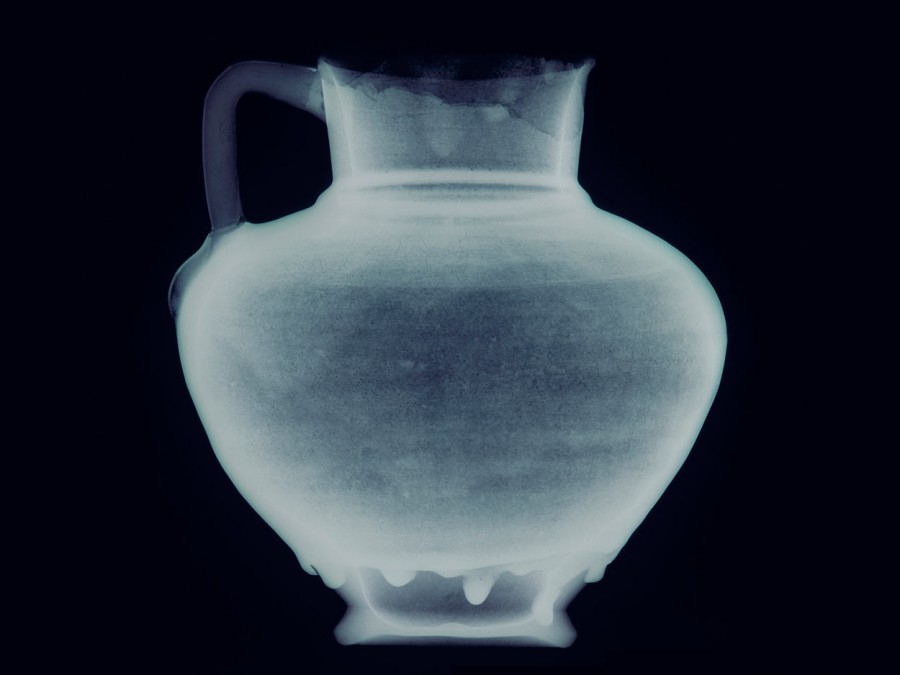
History’s Shadow
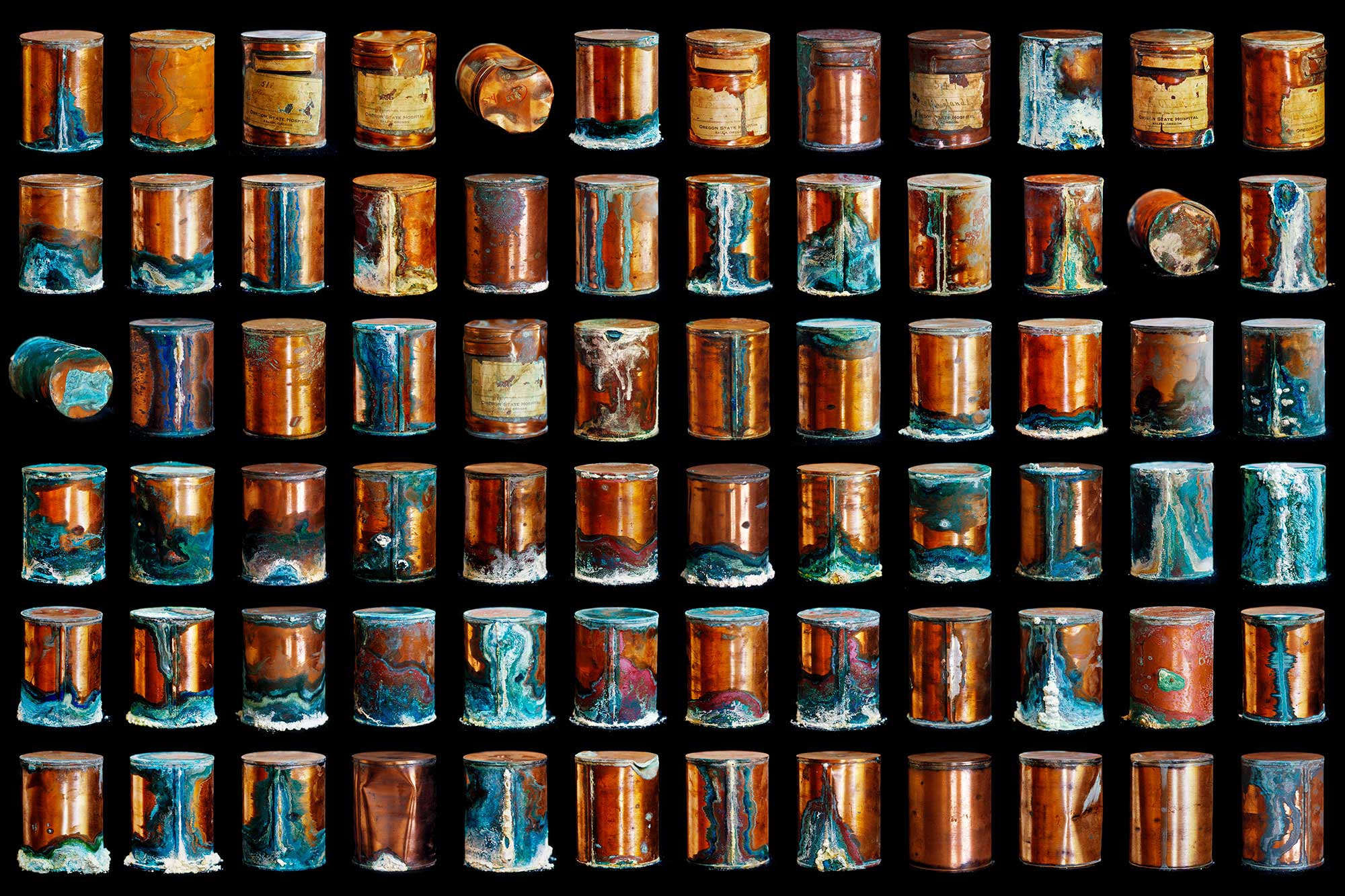
“In History’s Shadow, it seems as if David Maisel is reviving the once-dormant souls of inanimate objects, if not those of their makers.”
Dana Jennings, The New York Times, January 13, 2012.
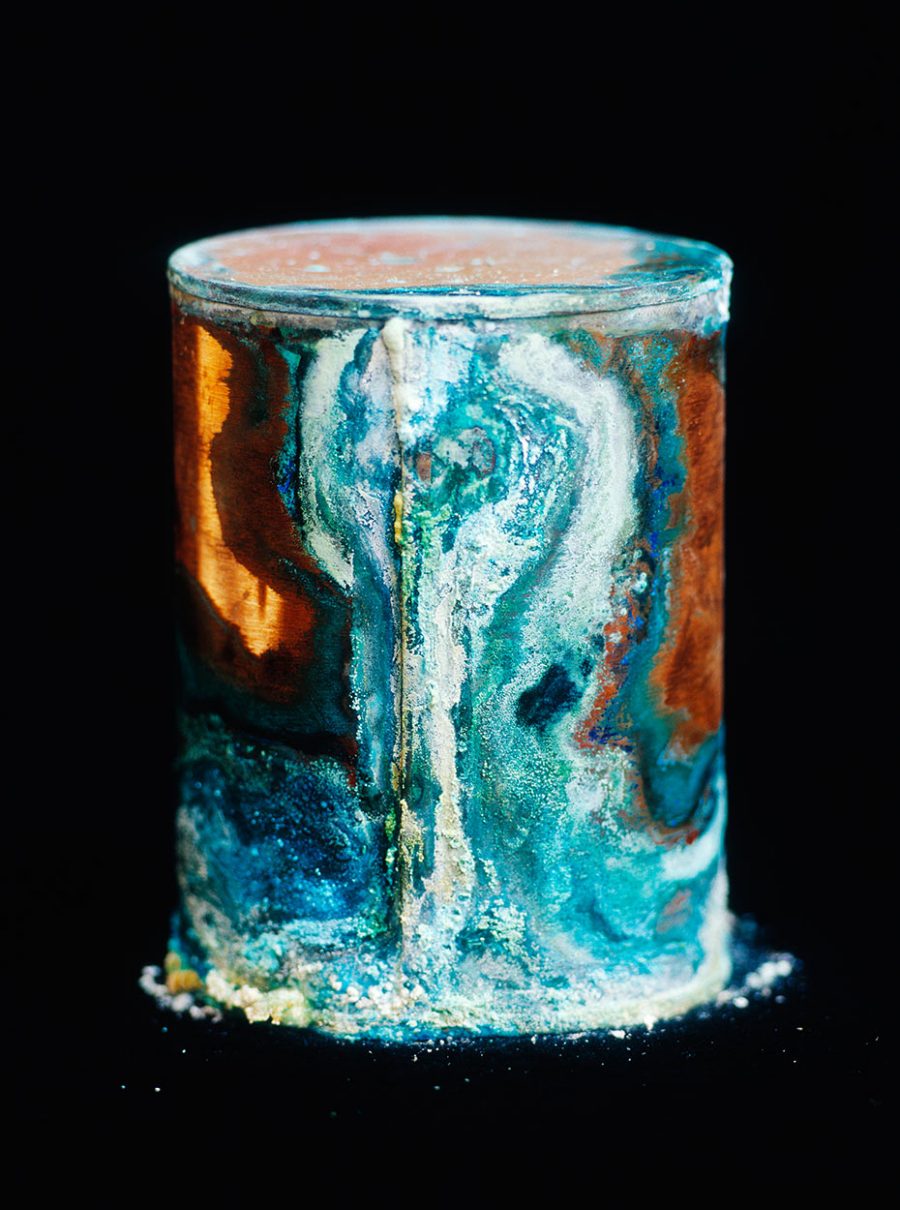
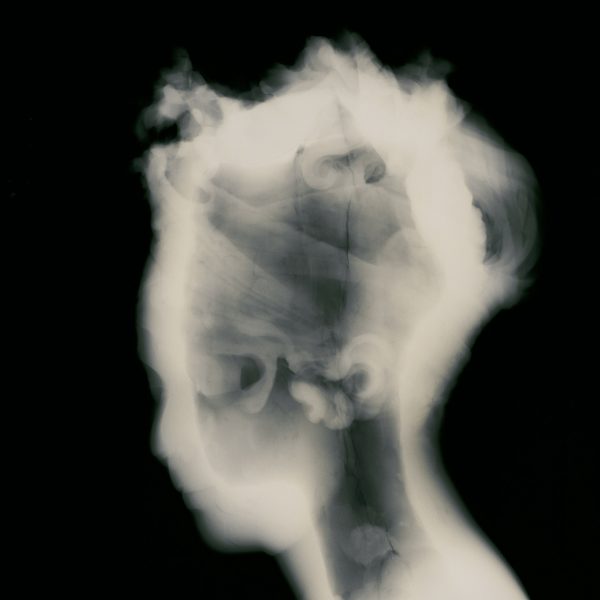
Library of Dust
“Maisel’s work over the past two decades has argued for an expanded definition of beauty, one that bypasses glamour to encompass the transmuted, the decomposed.”
Leah Ollman, “Strange beauty, transformation, secrets and loss.” Los Angeles Times, January 4, 2009.
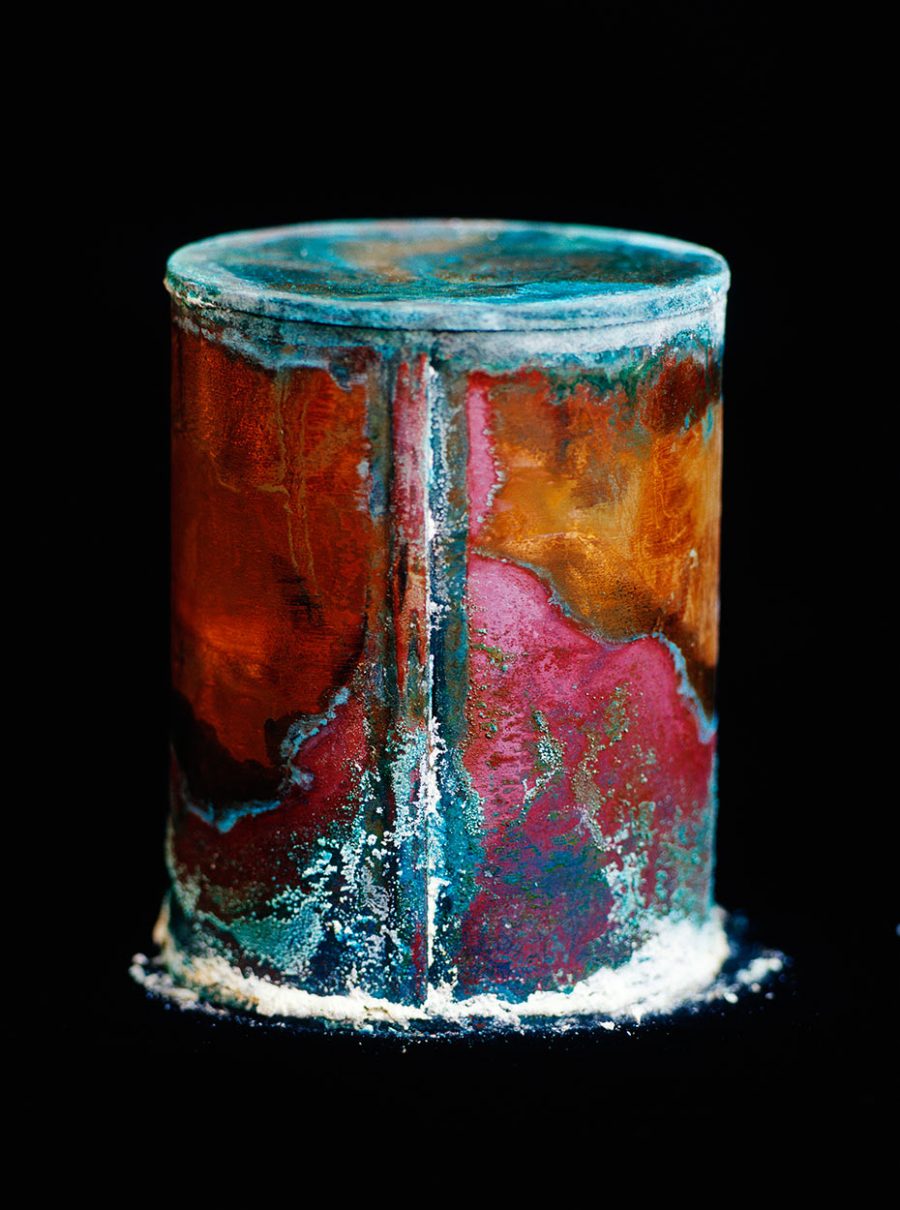
Library of Dust
“These surfaces conjure real and imaginative worlds—the dust of galaxies, being under a microscope, the dazzling colors of the wide-open mind.”
Karen Lang, “Voluptuous Unease: David Maisel’s Library of Dust”, Getty Research Journal, Number 1, Winter 2009.
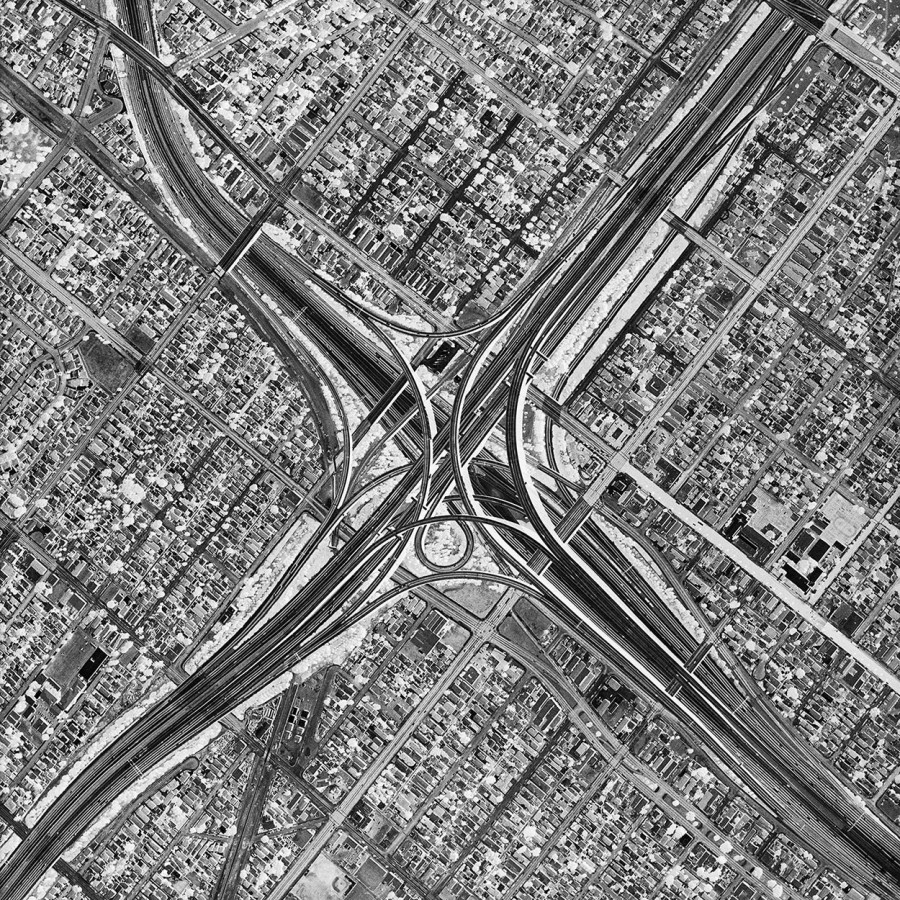
Oblivion
“This is not the first time you’ve seen an overhead shot of L.A.’s looping freeway interchanges, but Maisel abstracts them and everything else here until the city appears depopulated, absolutely post-apocalyptic.”
Vince Aletti, The New Yorker, December 11, 2006.
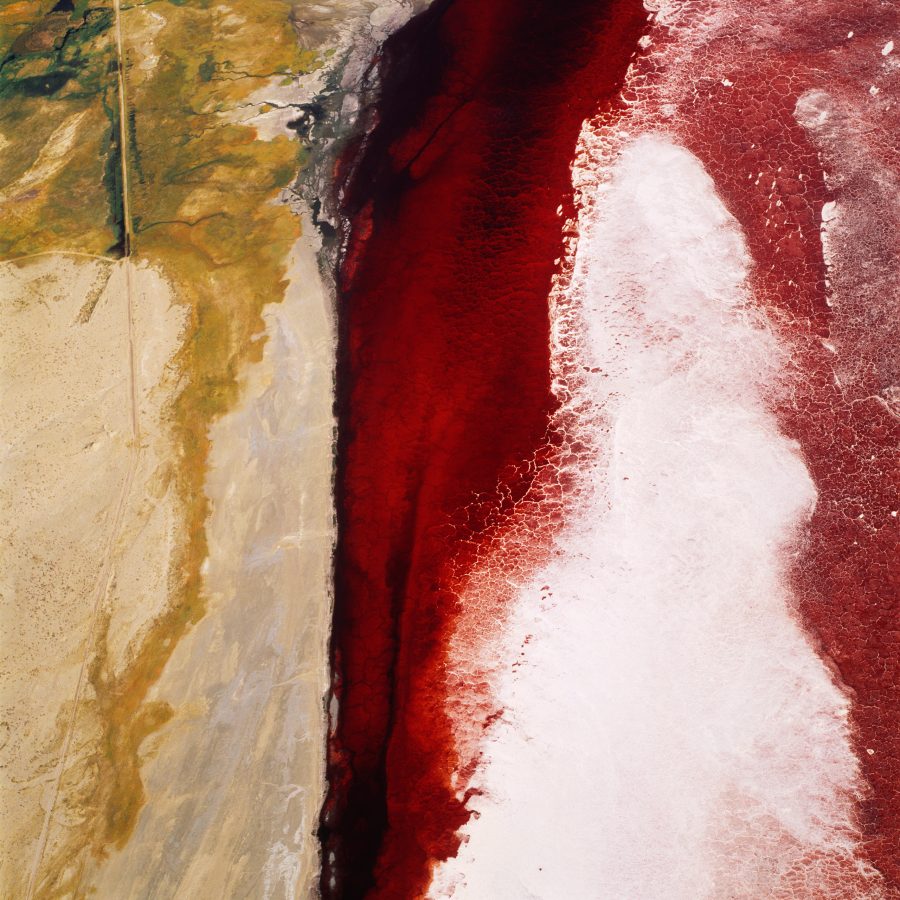
The Lake Project
“As Mr. Maisel renders it, the lake, which has been drained over the last 90 years to green the lawns and ice the whiskies of Los Angeles, looks scourged and flayed…In Mr. Maisel’s photos, the vistas are majestic, terrifying, and weirdly beautiful. They seem more intimate than microscopic data, vaster than extraterrestrial space.”
Amei Wallach, The New York Times, May 9, 2004.
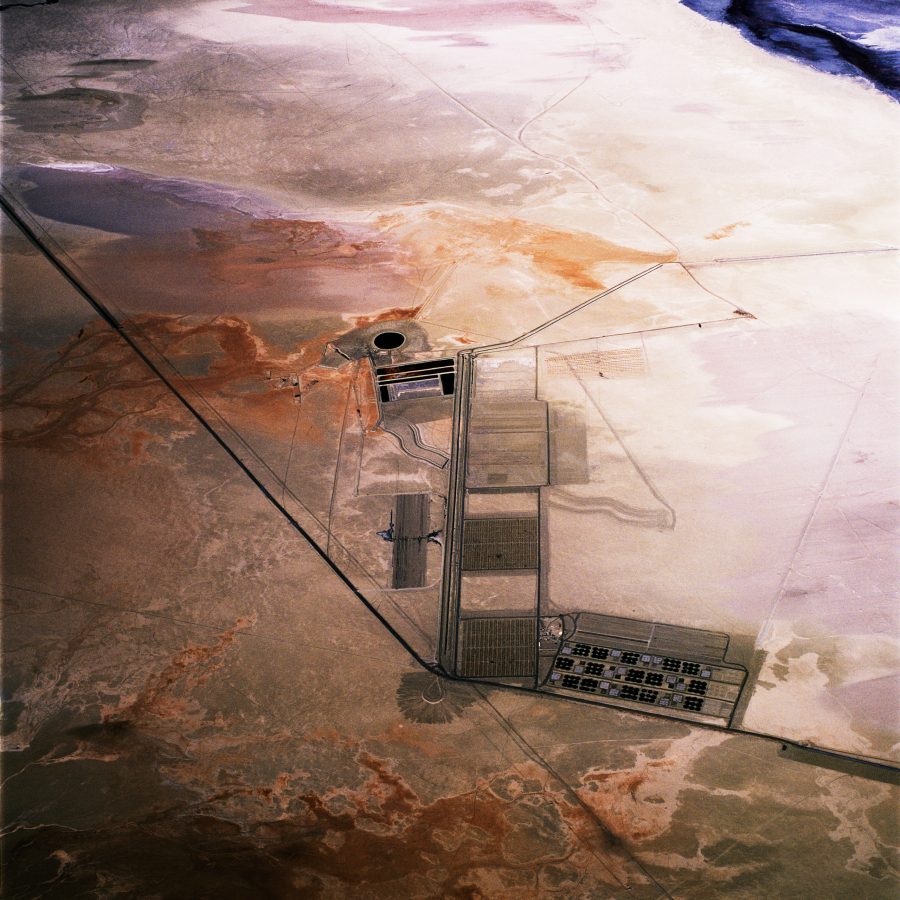
The Lake Project
“(Maisel’s) pictures of erosion, desiccation, and other forms of geologic mayhem that are only too photogenic have the force of abstract paintings. They give pleasure despite the horrendous facts that lie behind them.”
Grace Glueck, The New York Times, June 27, 2003.
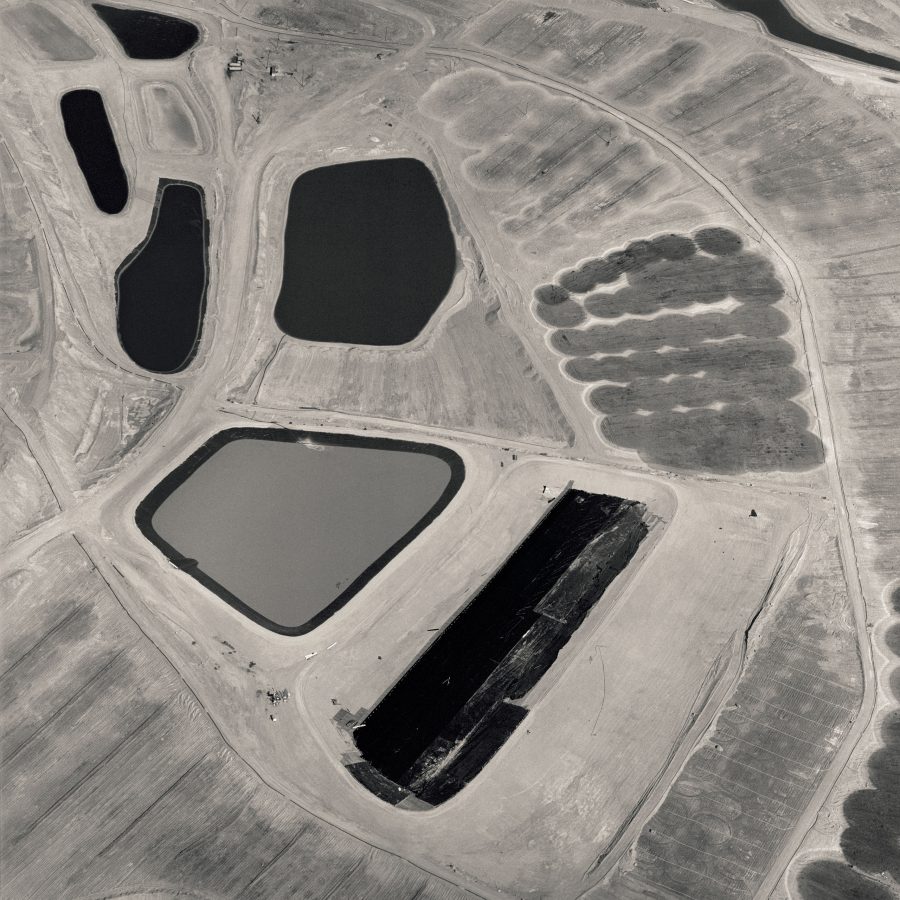
Black Maps
“The vital thread that runs through Black Maps is Maisel’s tireless search for new and ever shifting ways of conveying, photographically, the scope of mankind’s uneasy and conflicted relationship with nature.”
Julian Cox (chief curator and deputy director, Art Gallery of Ontario), “An Exquisite Problem,” Black Maps: American Landscape and the Apocalyptic Sublime, 2013.
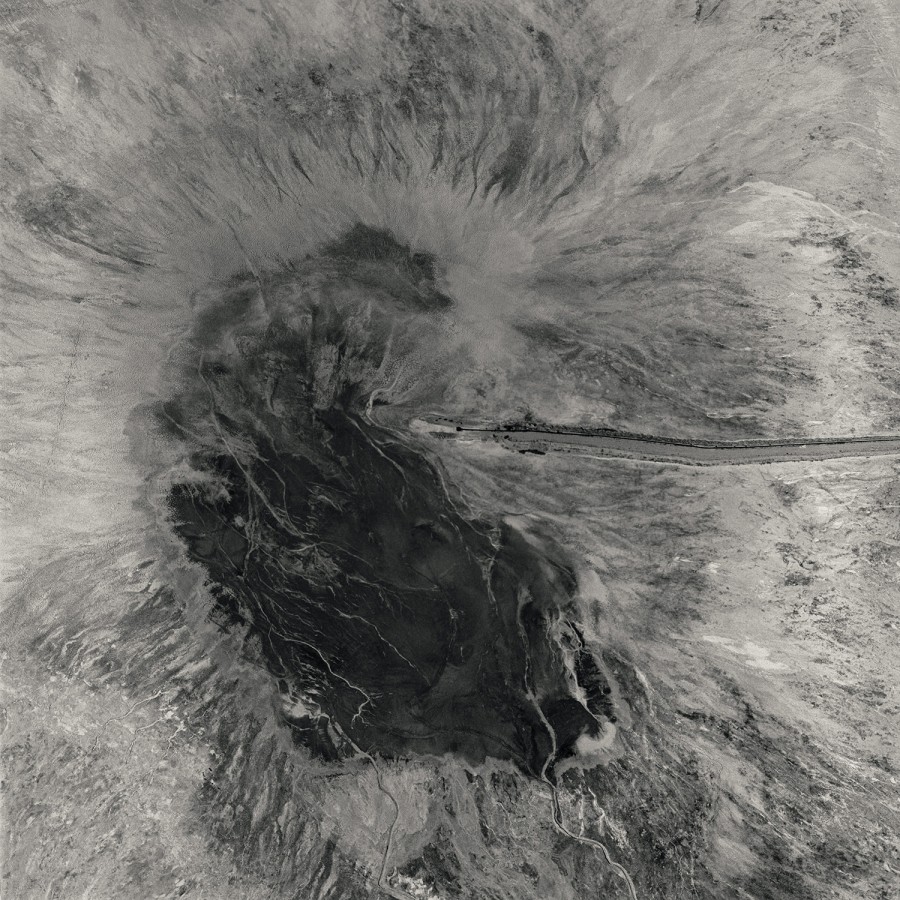
Black Maps
“These photos tell tales the way scars tell the story of a body — and who knew that poisons could be so seductively iridescent? Black Maps, rather than focusing on the death of beauty, wrestles with the beauty of death.”
Dana Jennings, “Beauty and Blight, Sharing Common Ground,” The New York Times, May 24, 2013.